
Long before “vintage” became a marketing term, microphones were built to solve real problems: cutting through loud bands, rejecting feedback on live stages, surviving daily broadcast abuse, and capturing voices clearly for radio, television, film, and the stage.
With Warner AV being in business for 50+ years, we’ve built up quite an inventory of microphones. Many of which may not be what we rely on for today’s meetings, trade shows, and live performances – but the gear we use is a result of decades of refinement. Let’s take a look and listen to some of these microphones that brought us to where we are today.
Altec 639A – The Birdcage Legend
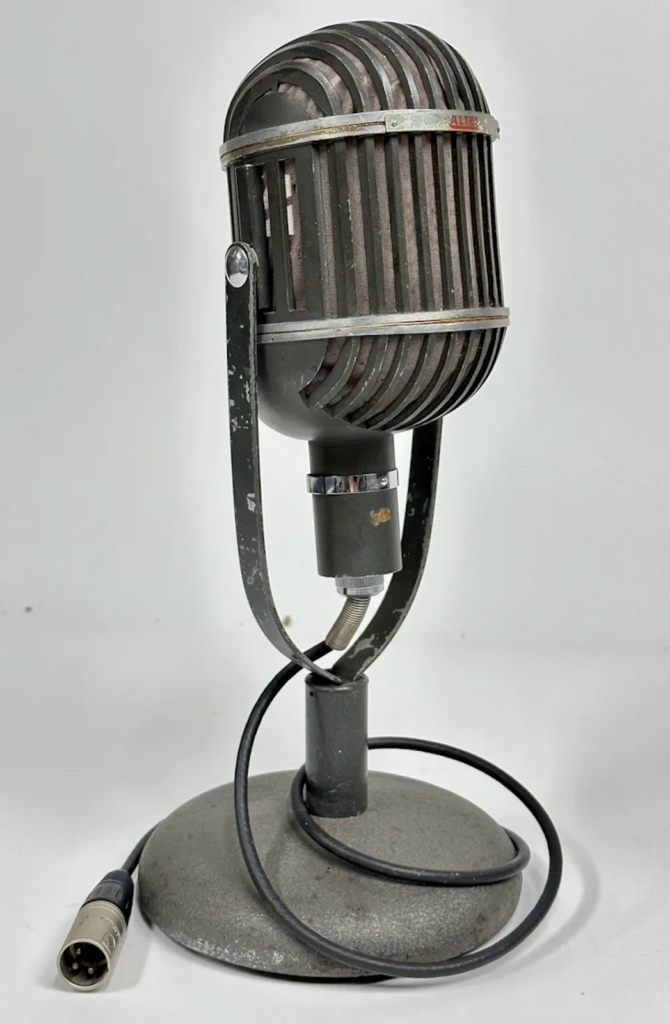
Few microphones are as visually iconic as the Altec 639A. Introduced in the 1940s, this dual-element microphone combined a ribbon and dynamic capsule in a single housing—an ambitious idea at the time.
Sound & Character: Smooth and authoritative, with a rich midrange and controlled highs.
History: Widely used in radio, early television, and film dialogue.
Uses: Vocals, voiceover, horns, room mic duties.
Why it matters: It represents an era when engineers were still discovering what microphones could be.
Ribbon capsule
Dynamic capsule
Combination of Ribbon & Dynamic capsules
Altec 684A – Broadcast Workhorse
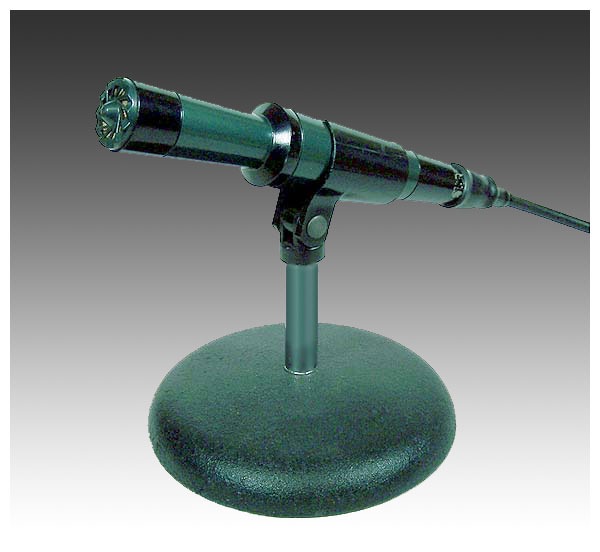
The 684A carried Altec’s broadcast pedigree into a more compact and practical form.
Sound: Focused midrange with controlled low end.
Uses: Speech, announcements, institutional broadcast.
Legacy: Built for clarity and intelligibility over coloration.
Ampex 3001 – The Forgotten Broadcast Tool
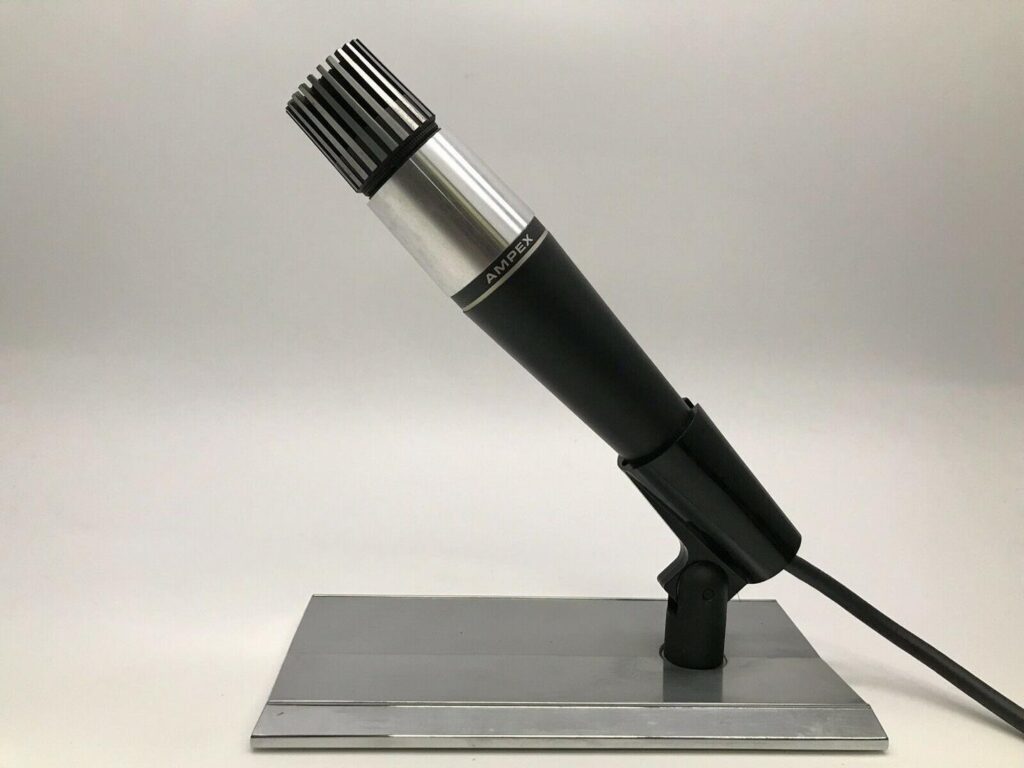
Ampex is synonymous with tape machines, but the 3001 microphone reflects the company’s early broadcast ambitions.
Sound: Neutral, slightly dry, very functional. Uses: Spoken word, utility broadcast, archival recordings.
Why it’s interesting: A rare glimpse into Ampex’s lesser-known hardware experiments.
Electro-Voice 666 – The Variable-D Pioneer
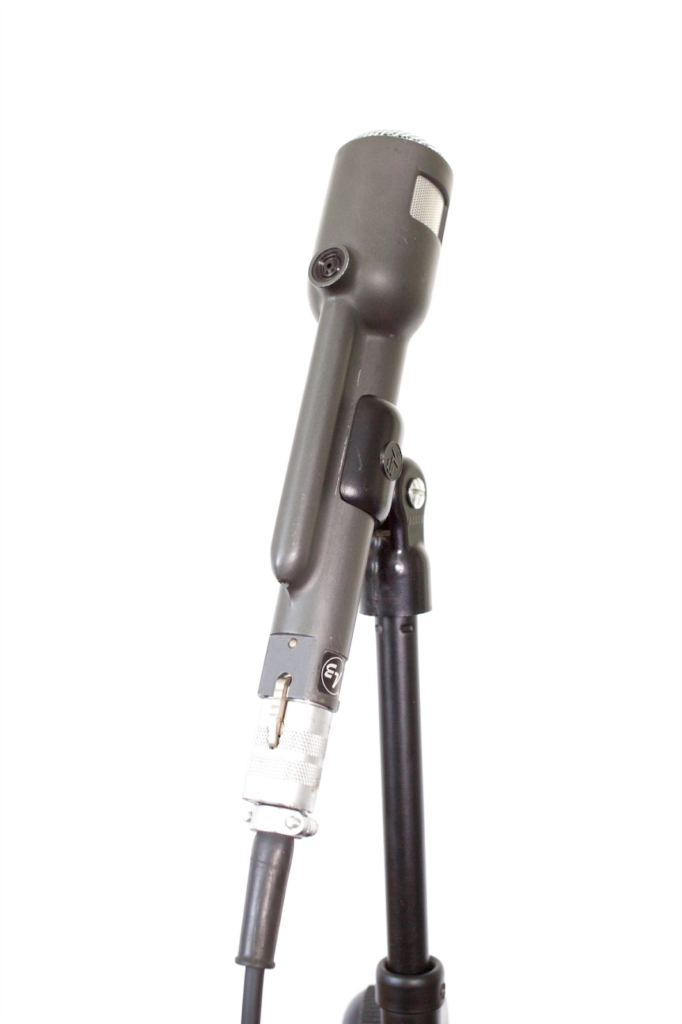
The EV 666 helped introduce Variable-D technology, reducing proximity effect and improving consistency.
Sound: Balanced, natural, less boomy up close.
Uses: Vocals, brass, broadcast.
Why it endures: Early proof that engineering could solve tonal problems mechanically.
Electro-Voice RE10 – Studio Utility Classic
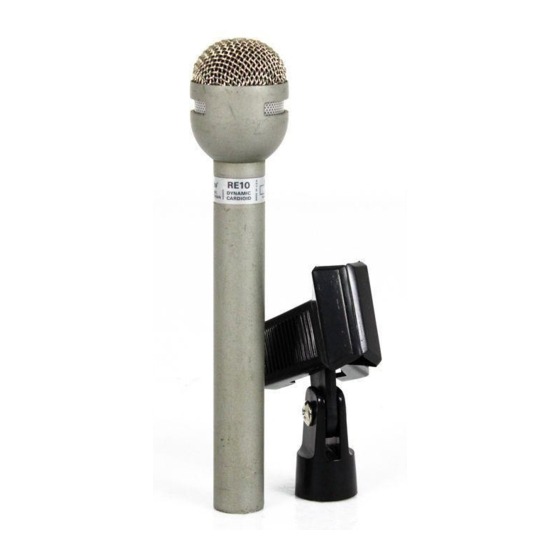
Compact, rugged, and clean, the RE10 became a studio staple.
Sound: Smooth mids, controlled lows, articulate highs.
Uses: Guitar amps, snare, vocals, broadcast.
Strength: Extremely versatile without being hyped.
Electro-Voice RE50 – Field Reporting Icon

If you’ve seen a reporter in a storm, you’ve seen an RE50.
Sound: Clear, resilient, intelligible in chaotic environments.
Uses: ENG, interviews, live reporting.
Design win: Shock-mounted capsule nearly immune to handling noise.
Shure 51 – Early Stage and Broadcast Dynamic
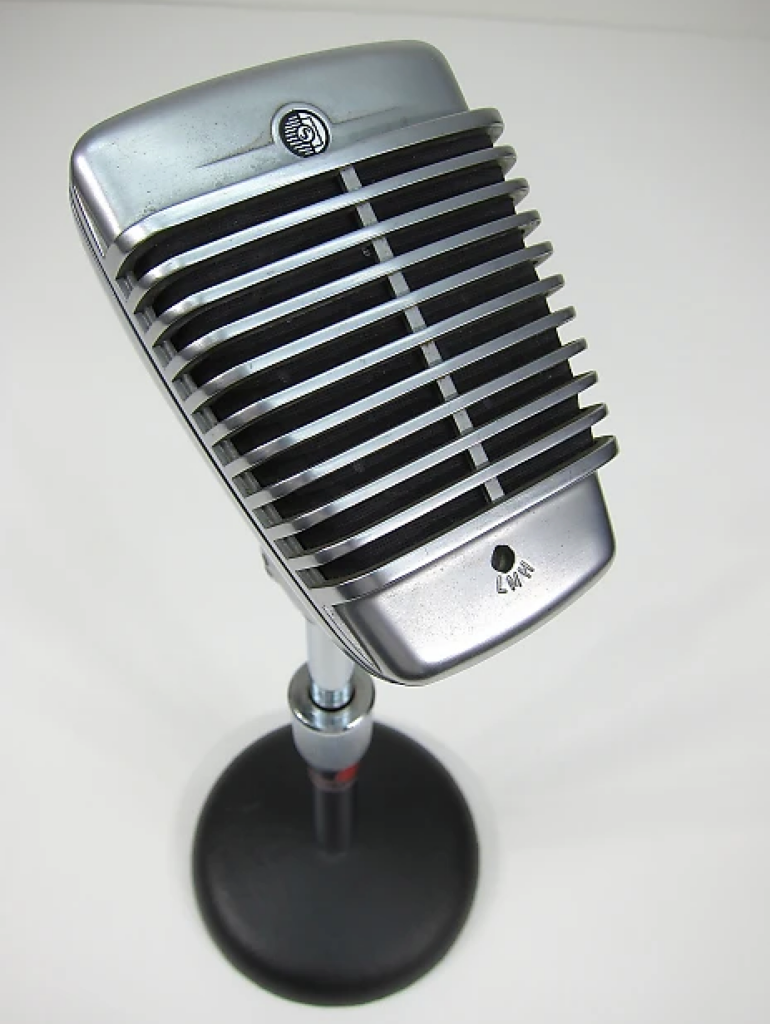
The Shure 51 represents Shure’s early move toward durable, general-purpose microphones.
Sound: Mid-forward, slightly raw.
Uses: Speech, early live sound.
Historical value: A stepping stone toward later Unidyne designs.
Low Impedance
Medium Impedance
Shure 55CV – The 55 Look That Defined an Era
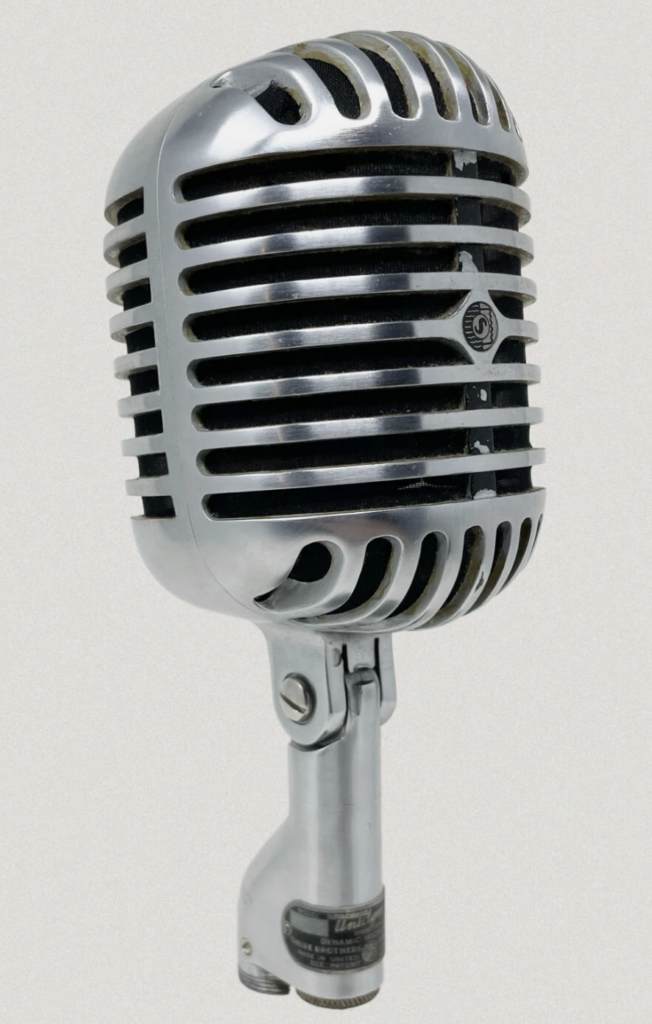
The Shure 55CV is often associated with the iconic “Elvis mic” silhouette, but its internal design reflects Shure’s early efforts to balance stage presence with practical vocal capture.
Sound: Thick, mid-forward, with rolled-off highs and a distinctly vintage tone.
Uses: Vocals, spoken word, stage presentations where aesthetics matter.
Context: Frequently chosen for its visual impact, but capable of delivering a solid, period-correct vocal sound in controlled environments.
Reality check: Best suited for situations where style and tone are prioritized over maximum gain-before-feedback.
Shure 55SW Unidyne II – The 55 Look That Defined an Era
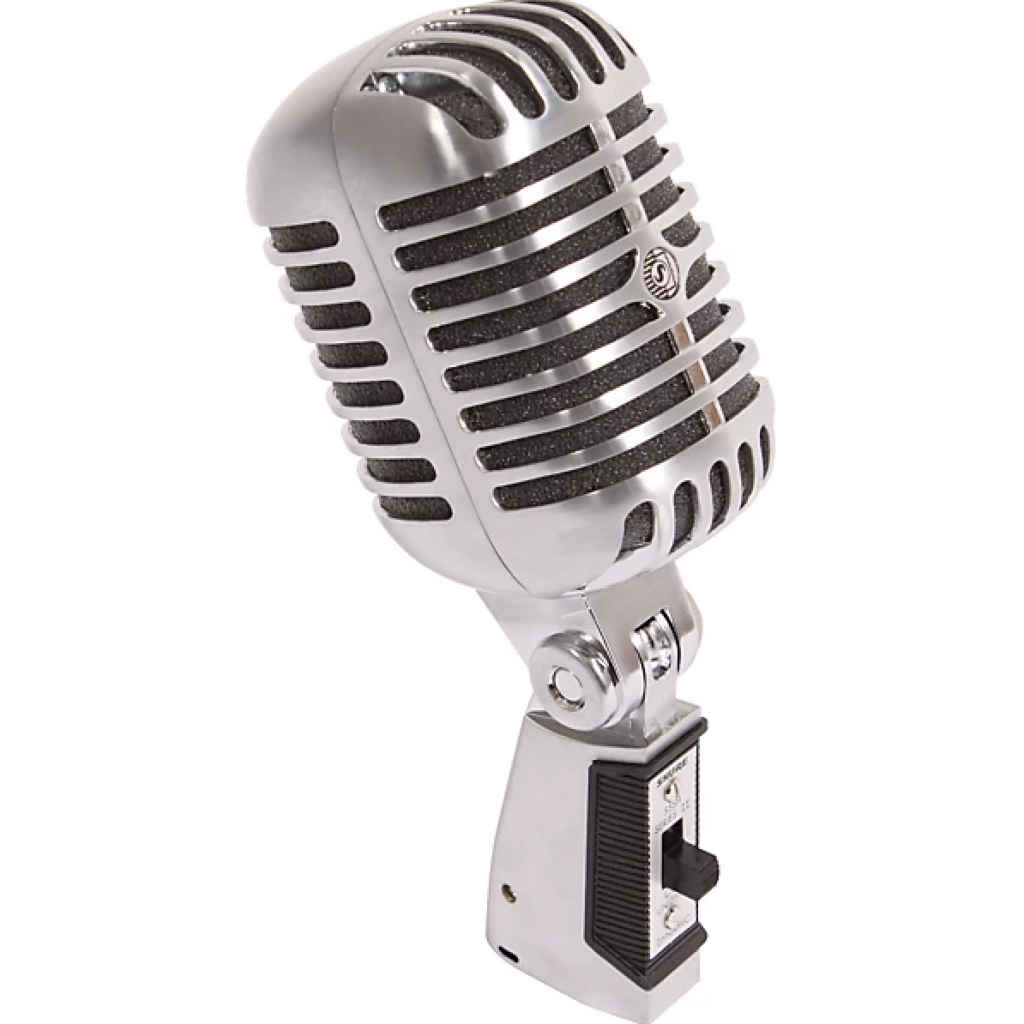
The 55SW represents a more technically refined iteration of the 55 design, incorporating Shure’s Unidyne II cartridge for improved directionality.
Sound: Fuller and more controlled than earlier 55 variants, with better rejection and slightly improved clarity.
Uses: Live vocals, broadcast-style speech, retro-themed performances.
Technical significance: Demonstrates Shure’s early advancements in cardioid pattern control.
Why it matters: Bridges the gap between iconic styling and practical microphone engineering.
Low Impedance
Medium Impedance
Shure 545SH s2 – Unidyne III Evolution
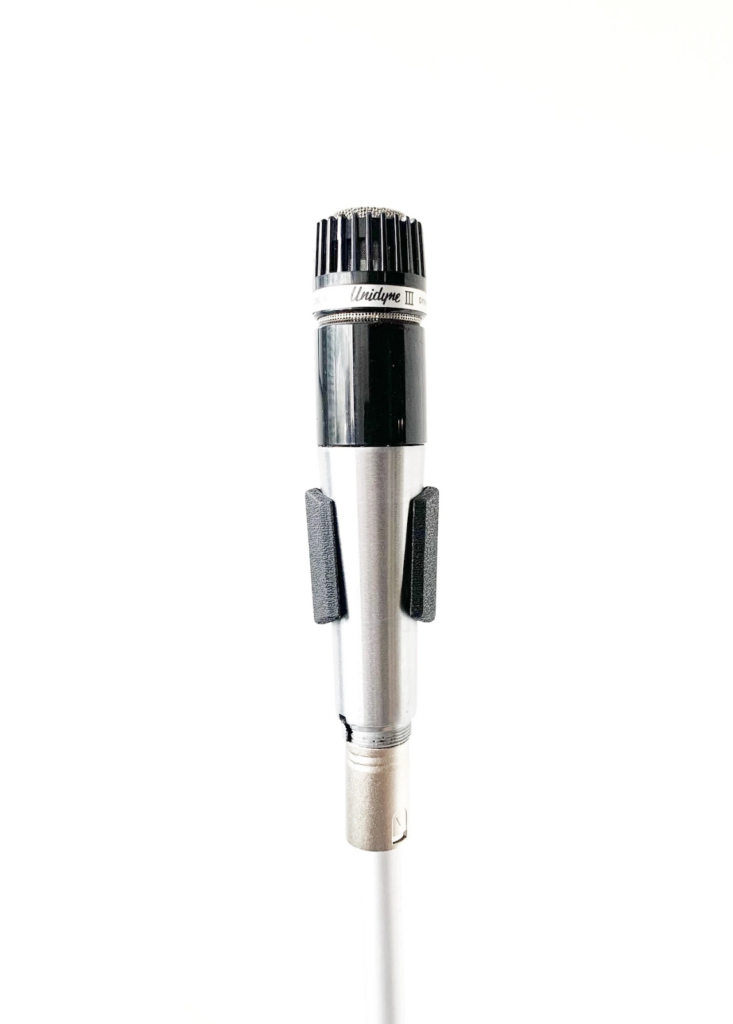
The 545 is the direct ancestor of the SM57.
Sound: Tight, punchy, articulate.
Uses: Vocals, instruments, live and studio.
Legacy: One of the most important transitional designs in microphone history.
Shure 548S – Unidyne IV Refinement
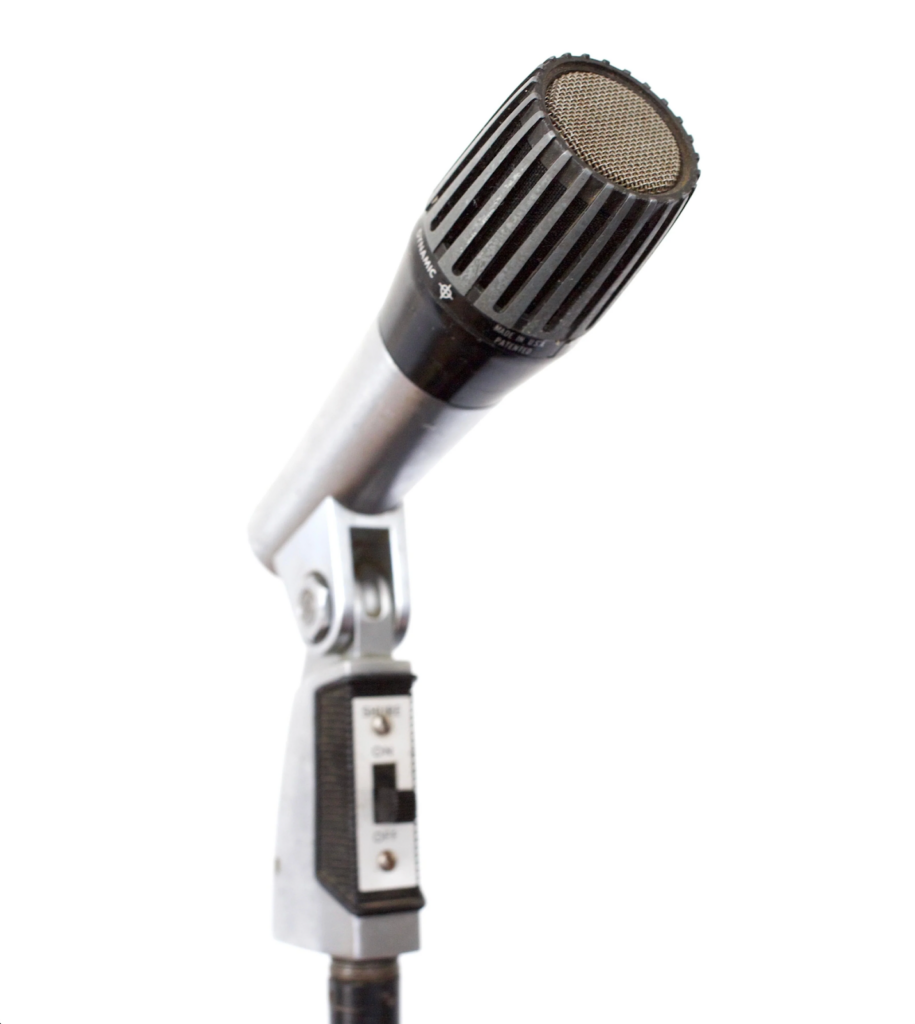
A refinement of the Unidyne concept with improved handling and consistency.
Sound: Clean mids, controlled response.
Uses: Stage vocals, speech.
Why it matters: Shows Shure’s incremental perfectionism.
Shure 556S – Broadcast Desk Royalty

Designed for broadcast studios, the 556S prioritizes speech clarity.
Sound: Smooth, authoritative, non-fatiguing.
Uses: Radio, podcasting, voiceover.
Modern relevance: Still a benchmark for spoken-word tone.
Shure PE588 Unisphere B
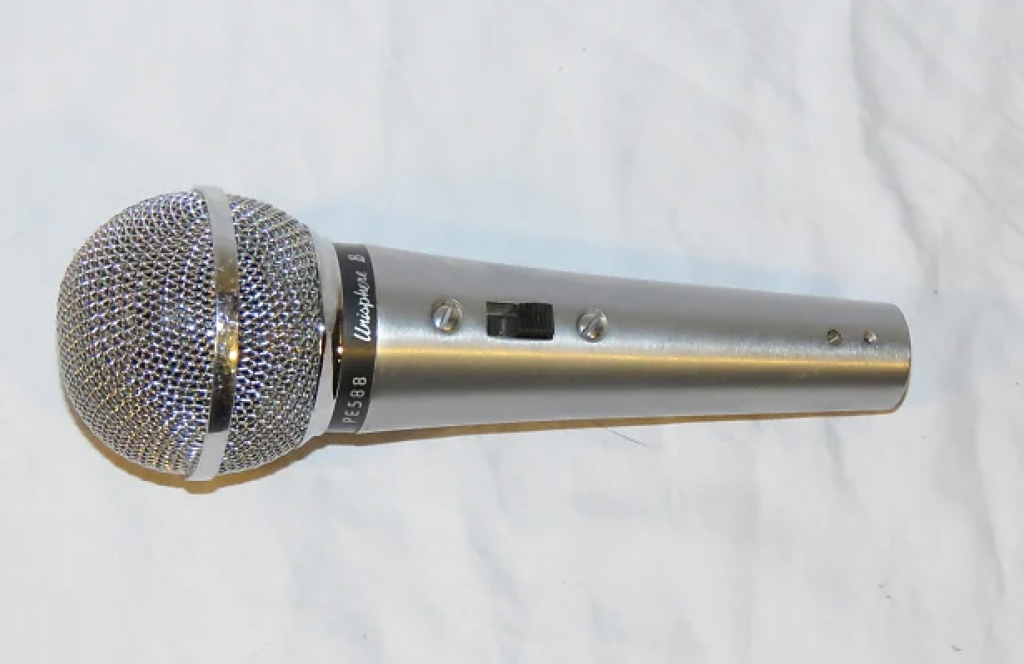
A more consumer-accessible take on Unisphere design.
Sound: Slightly brighter, less refined.
Uses: Live vocals, general use.
Place in history: Brings professional ideas to broader audiences.
Shure SM54 – Broadcast & Speech Specialist
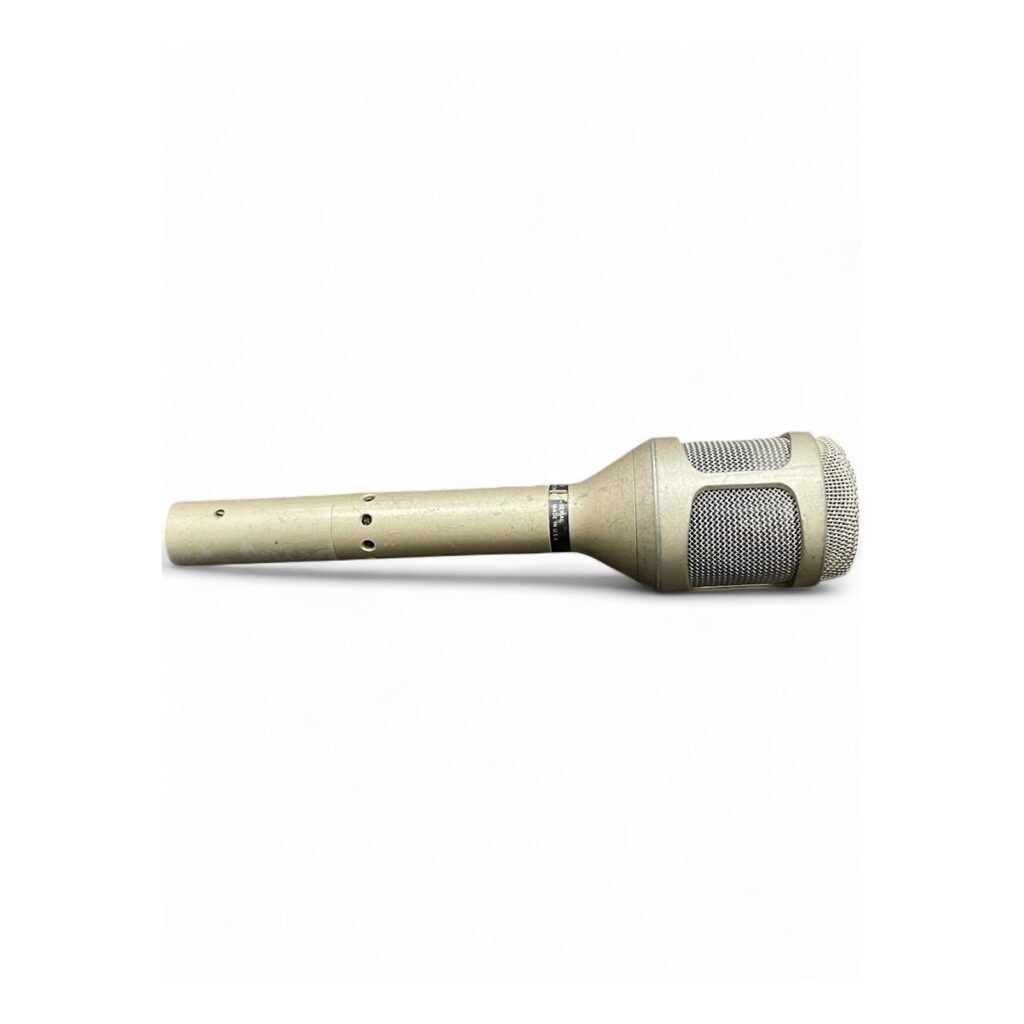
The Shure SM54 was designed for intelligible speech in professional broadcast and live environments. Its form factor and tuning reflect Shure’s focus on clarity, consistency, and controlled pickup rather than character coloration.
Sound: Focused and articulate midrange, restrained low end, smooth but non-hyped highs.
Uses: Broadcast voice, corporate presentations, podium speech, voiceover.
Why it matters: Represents Shure’s shift toward microphones designed for specific professional applications rather than general-purpose use.
Flat
Roll Off
Shure SM61 – Instrument-Focused Precision
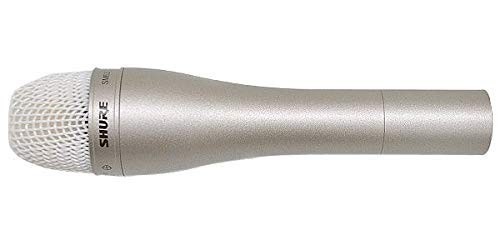
The SM61 was optimized for instrument capture where transient detail and articulation are more important than vocal warmth.
Sound: Tighter low end, clearer upper mids, faster transient response than many vocal-focused dynamics.
Uses: Brass, woodwinds, percussion, acoustic instruments.
Why it matters: Reinforces the idea that purpose-built microphones reduce the need for corrective EQ and processing.
Shure SM96 – Compact Condenser Surprise
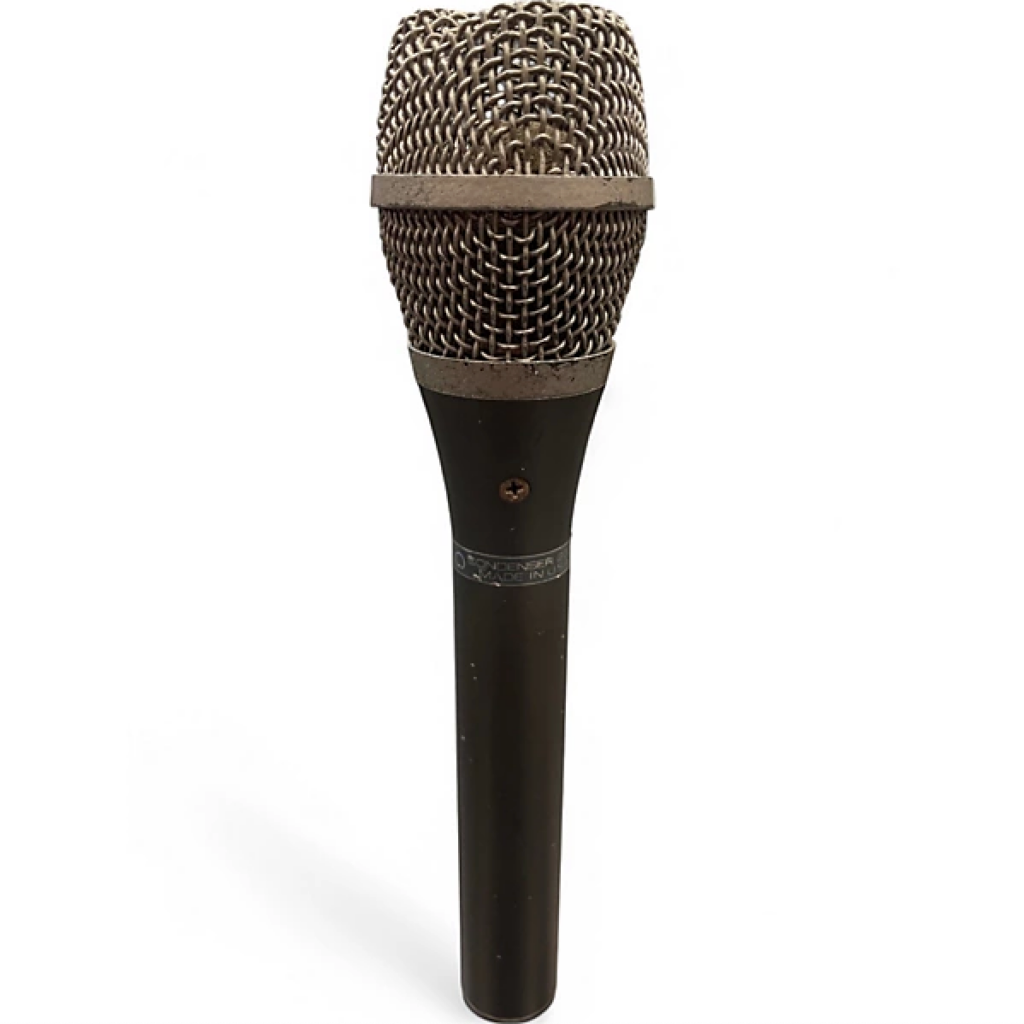
Unlike most Shures of its era, the SM96 is a condenser.
Sound: Bright, detailed, fast transient response.
Uses: Acoustic instruments, overheads, dialogue.
Why it’s interesting: A rare condenser entry in a dynamic-heavy lineup.
Vanco MD – The Wild Card
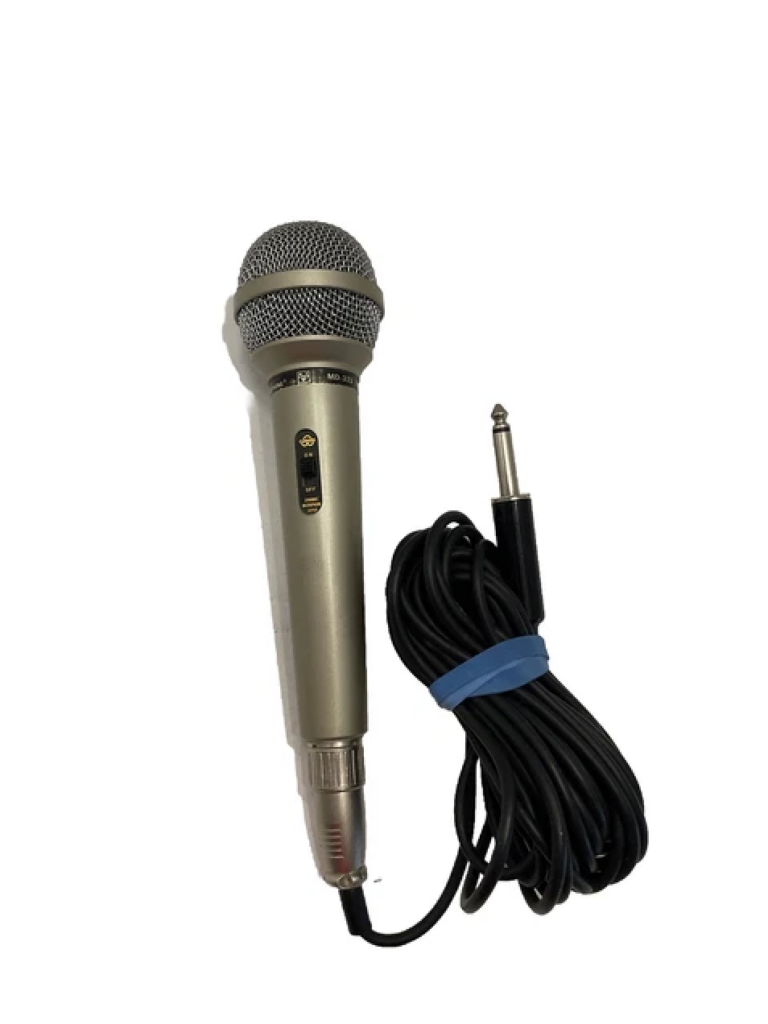
Often overlooked, Vanco microphones represent the many smaller manufacturers supplying broadcast and institutional markets.
Sound: Functional, sometimes surprisingly musical.
Uses: Speech, utility recording.
Why they matter: Not every classic is famous—some are simply survivors.
Taken together, these microphones tell a story of engineering evolution. Each reflects the needs of its time, whether that was cutting through a big band, surviving a newsroom, or capturing a voice clearly without feedback.
What’s remarkable is how many of these tools remain usable and interesting today, not because they’re vintage, but because they were built right.
